
What Your Designer Is Actually Doing When You Can't See Them: The invisible work behind every room. And why it matters that you know about it.
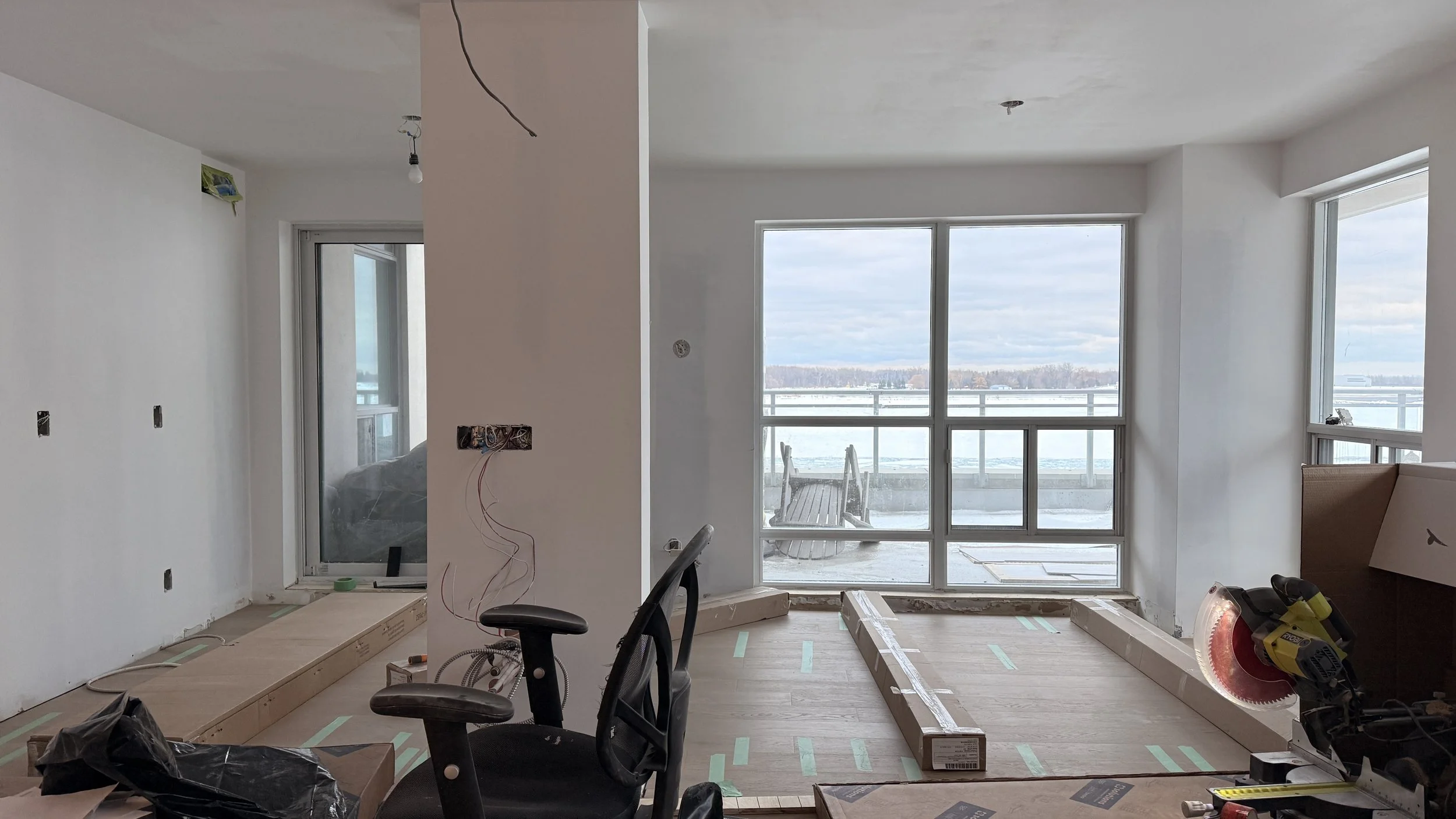
There is a version of how interior design works that most people believe, and it goes something like this: the designer visits the space, develops a concept, presents some options, and then things get ordered and installed and the room appears.
This version is not entirely wrong. It just leaves out approximately 70% of what actually happens.
The gap between what clients see and what designers do is one of the most persistent sources of friction in the client-designer relationship. Not because designers are secretive about their work - most of us would happily explain it at length but because so much of the work is genuinely invisible in nature. It happens in emails, on the phone, in trade showrooms at 9am, at contractor sites, in the quiet hours when a specification is being reviewed for the third time because something in the dimensions doesn't quite add up.
Understanding what that work actually involves changes how a project feels. It makes the timeline make sense. It makes the fee make sense. And it makes the collaboration significantly better, because you know what to ask about and what to leave alone.
THE WORK YOU SEE
The visible parts of a designer's work are the ones that happen in the room with you. The initial consultation. The concept presentation. The site visits when installation is underway. The final walkthrough.
These are important moments. They're also a small fraction of the total hours.
THE WORK YOU DON'T
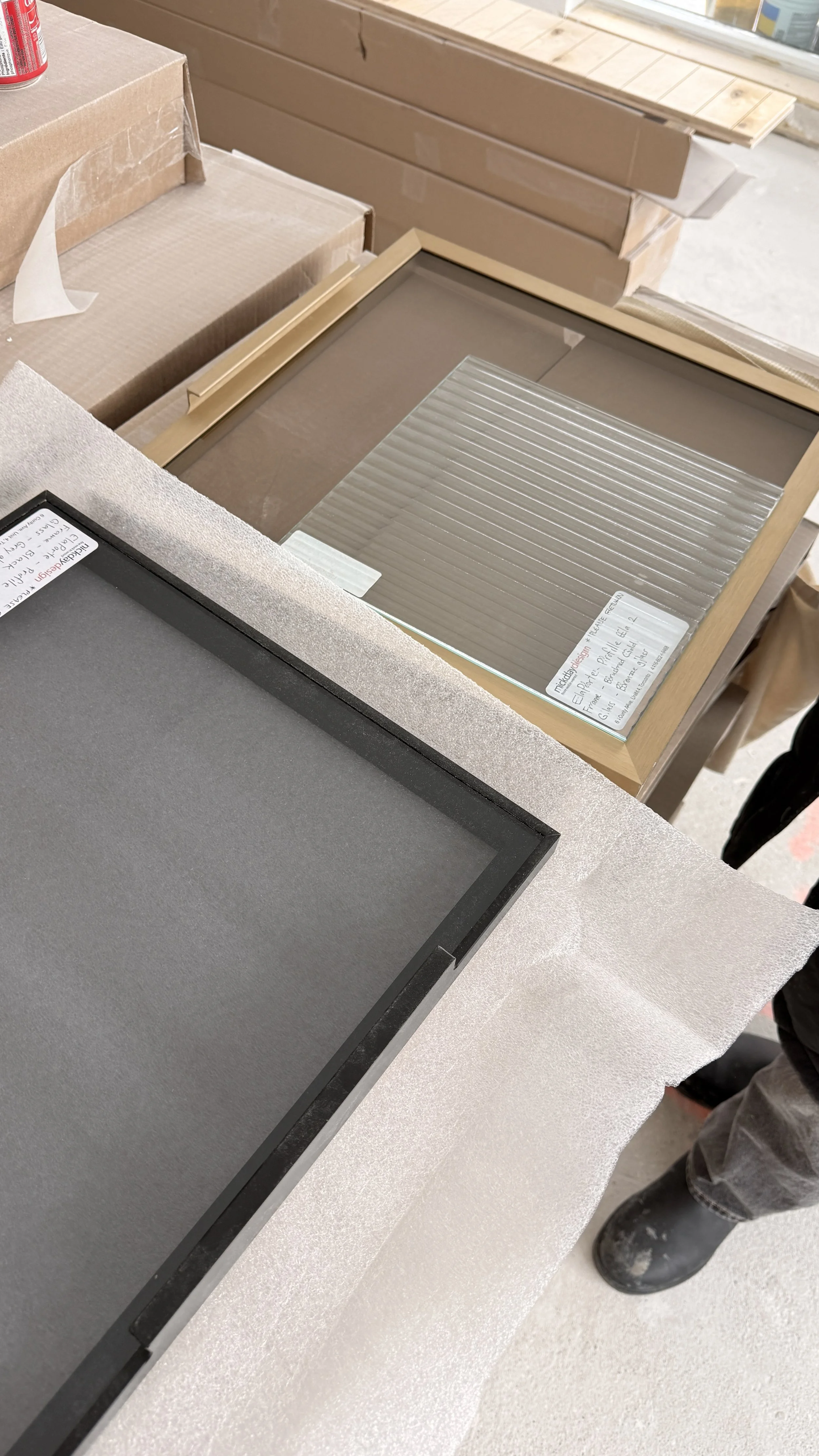
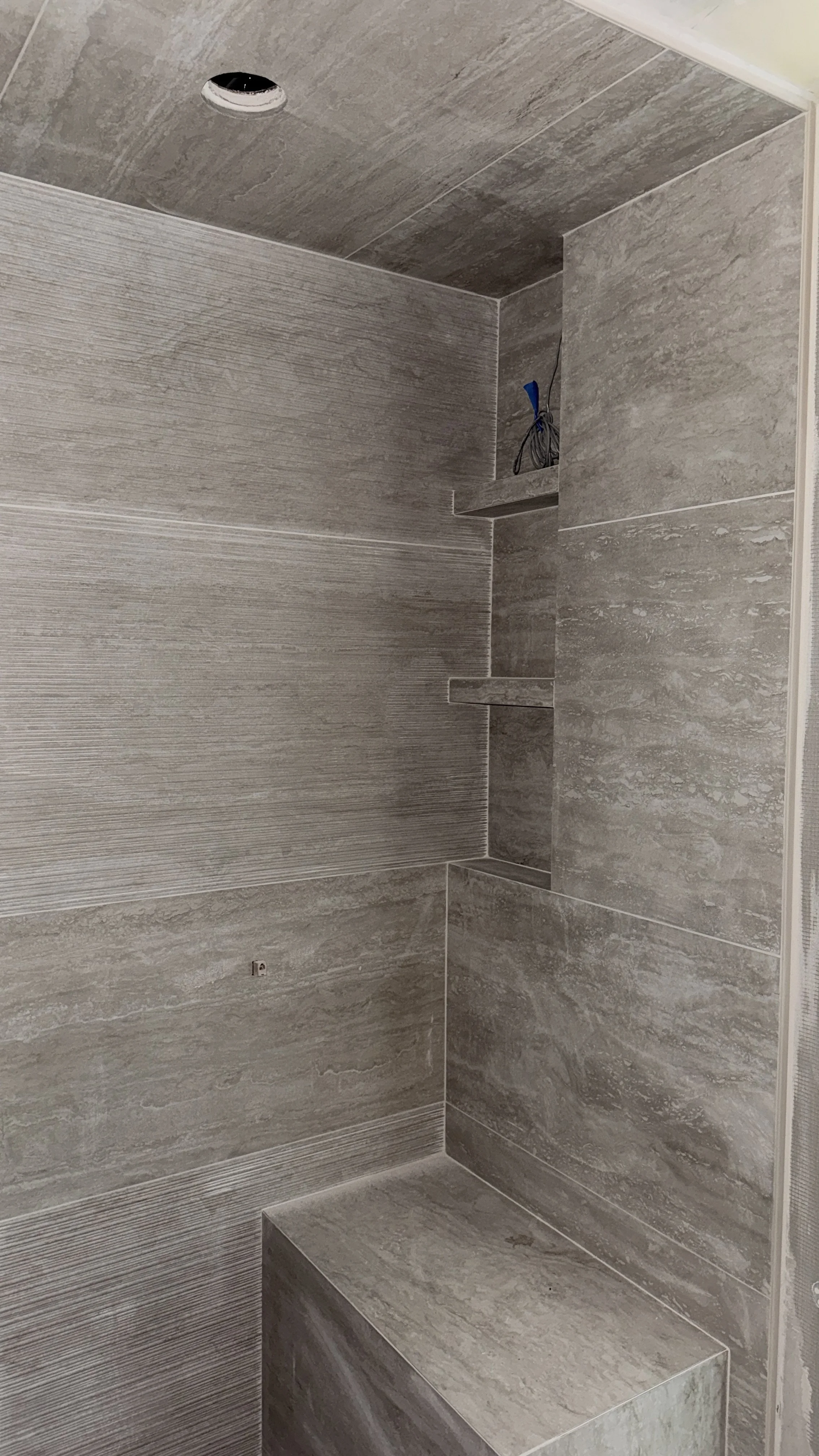
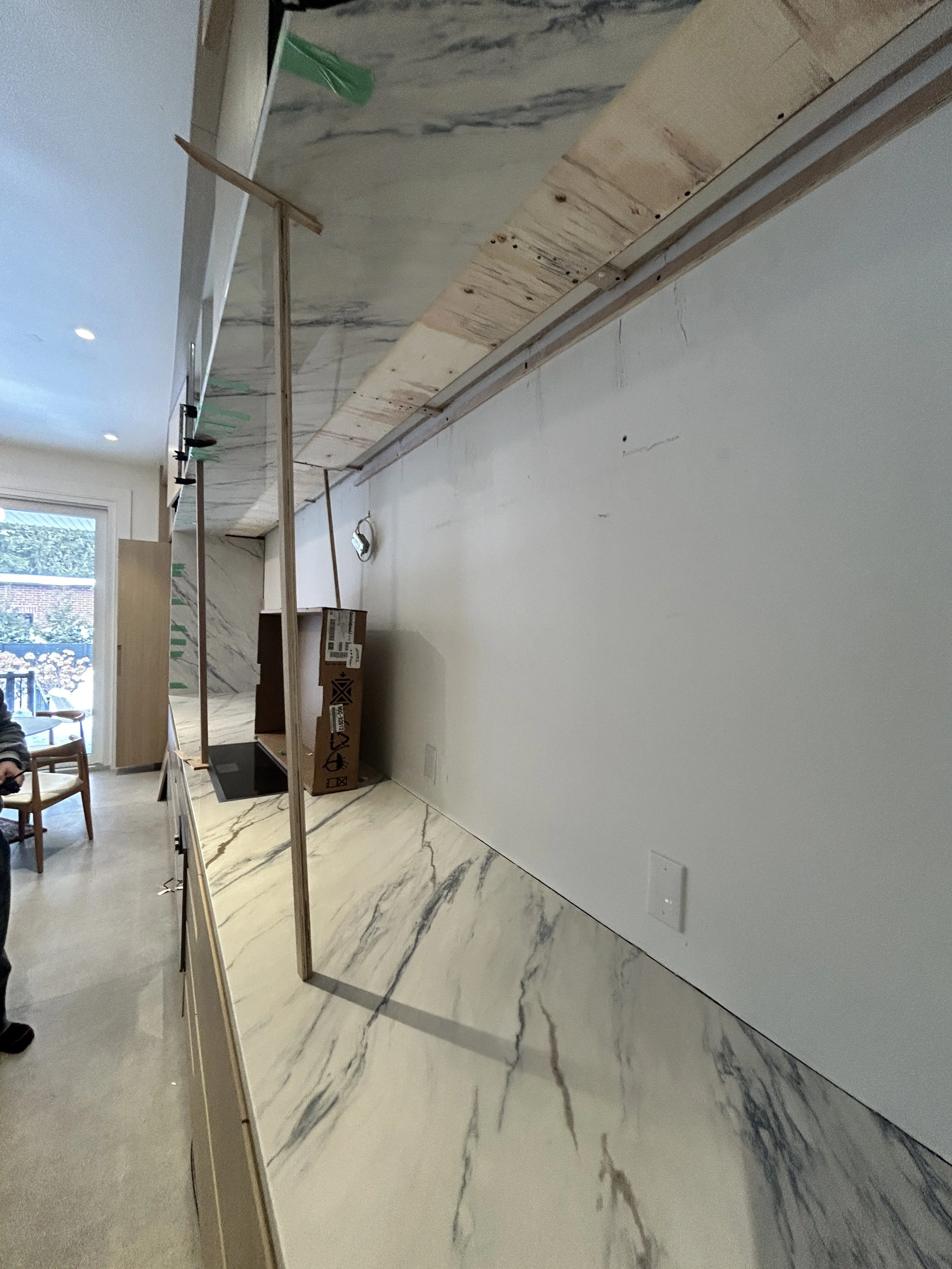
Between every visible moment, a substantial amount of work is happening that rarely makes it into the conversation.
There is the research. Before a single item is specified, a designer is mapping the space against the brief, cross-referencing what's possible against what's available, what's available against what's within budget, what's within budget against what's actually right for this specific room and this specific client. The sofa that looks perfect online is checked against the dimensions, the delivery lead time, the manufacturer's minimum order requirements, the cleaning instructions your household actually needs, and three alternatives in case any of those checks fail.
There is the vendor and contractor coordination. A project involves multiple trades - sometimes a dozen or more - and a designer is the person holding all the threads simultaneously. Confirming that the electrician's timeline doesn't conflict with the cabinetmaker's installation window. Noticing that the tile lead time will push the flooring sequence and adjusting the schedule accordingly. Chasing the fabric order that went quiet three weeks ago.
The silence you experience between project milestones is not inactivity. It is the work that makes the milestones possible.
There is the problem-solving that happens before you know there was a problem. A discontinued product discovered on a Tuesday becomes an equivalent specification confirmed by Thursday, which means you experience a seamless process rather than a disruption. A structural constraint noticed on a site visit becomes a creative solution rather than a compromise, because it was caught early enough to address properly. You don't see these moments. That's the goal.
There is the documentation. Specifications, schedules, purchase orders, project timelines, revision histories. This is not administrative overhead - it is the record that protects both parties, ensures that what is installed matches what was intended, and provides the foundation for addressing anything that goes wrong in the months after completion.
And there is the thinking. The time spent not at a desk, not on a phone, not in a showroom - but simply sitting with a problem until the right answer becomes clear. This is perhaps the hardest work to explain to a client because it produces no visible output. It produces, eventually, the moment where a designer says 'I think we should do this instead' and the thing they suggest is so obviously right that it's difficult to understand why it didn't happen sooner. What happened sooner was the thinking.
WHAT THIS MEANS FOR YOU

Knowing that this work is happening - even when you can't see it - changes a few things about how you might approach the relationship.
It means that a quiet period in the project is not a problem to be solved with a check-in email. It is, most likely, a sign that things are moving. Your designer will contact you when there is something that requires your input or decision. In between those moments, trust that the work is continuing.
It means that a request for a prompt decision is not pressure - it is logistics. When a designer says 'I need a decision on this by Wednesday,' there is almost certainly something downstream that is waiting on it. The Wednesday deadline is not arbitrary.
And it means that the fee for a design project is not a fee for the hours you witnessed. It is a fee for the full scope of work - seen and unseen - that produces the finished room. Understanding that makes it easier to understand the investment.
THE RELATIONSHIP THAT MAKES THE INVISIBLE WORK BETTER
The clients who get the best out of an interior designer are the ones who trust that the work is happening even when they can't see it, and who make themselves available to respond quickly when input is genuinely needed.
That combination - trust in the quiet moments, responsiveness in the active ones - is what allows a designer to do the invisible work well. When a client checks in every few days during a quiet period, it doesn't speed the project up. It creates a layer of communication management that takes time away from the work itself.
The best relationship has a rhythm: regular, predictable update moments from the designer, and responsive, prompt input from the client when decisions arrive. Everything in between is trust.


THE INFORMED CLIENT · QUICK REFERENCE
✦
A quiet period in the project is not inactivity. It is the work that makes the next milestone possible.
✦
Do not interpret silence as a problem. Your designer will reach out when input is needed.
✦
When a decision deadline is given, it is logistical — something downstream is waiting on it.
✦
Prompt responses to questions and decisions are one of the most valuable things you contribute to a project.
✦
The fee covers all the work — seen and unseen. The invisible hours are often the most consequential ones.
✦
Ask about the process if you're curious about it. Most designers love explaining what they actually do.